Open call for participants
Application deadline: June 10th, 2026
“Albanian Alps” National Park
Budaçe-Lëpushë, Kelmend, Lëpushë Valley
From July 3rd to the 9th, 2026
This is an initiative of GO2Albania, co-organized with Réseau Tramontana, The Administration of Protected Areas, Shkodër, within the Creative Europe Tramontana IV project, funded by Prespa Ohrid Nature Trust – PONT, European Union – Creative Europe.
The “Albanian Alps” National Park (IUCN Category II) was established by Government Decision No. 59, dated 26.01.2022, as the largest park in Albania, with an area of 82,844.65 ha.
The Albanian Alps represent the most magnificent region of Albania. They are the land of myths and legends, of the Këngët e Kreshnikëve and of the Kanun, of heroes who set out to war with a warrior’s song and are honoured with a manly wail, of besa and of burrnesha. The Alps are the origin and territory of the majority of the 10 untamed tribes of Gegnia, scattered throughout history from the Danube to the Aegean, and from the Apennines to beyond the Atlantic.
The traditional way of life of the inhabitants, settled from the river valleys to the deepest and most isolated streams, has evolved very slowly over the last 3,000 years, shaping the cultural landscape.
This landscape contains a precious heritage of historical, anthropological, archaeological, ecological and spiritual significance, often threatened by abandonment, modernisation, and climate change.
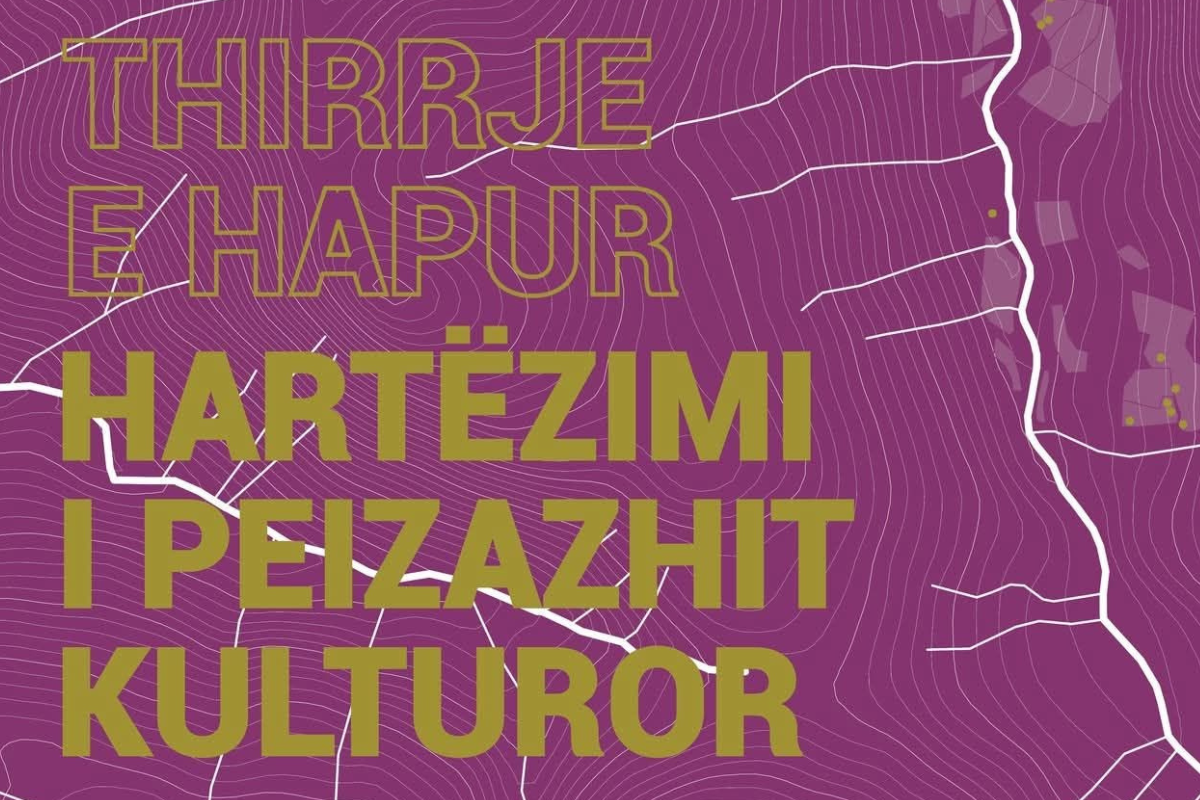
Taking place in one of the Alps’ newest settlements, which until a century ago was used for grazing livestock, this 7-day summer school will offer a unique field experience for the recognition, documentation and mapping of the cultural landscape, to help understand rural civilisation in the mountains of Gegnia.
The programme provides an interdisciplinary space for field-based study of mountain settlements in northern Albania, critical reflection and collective knowledge production.