HOW DOES A VILLAGE FEED ITSELF?
Research and creative residency
With Ana Rodríguez (Uruguay)
Várzea de Calde (Calde, Viseu)
18 July to 18 August 2026
An initiative organised by Binaural Nodar, as part of the Tramontana Network project, co-funded by the European Union’s Creative Europe programme, with the support of the Calde Civil Parish Council and the Municipality of Viseu.
More than half the time has already passed. The anthropologist and sound artist Ana Rodríguez has been in Várzea de Calde since 18 July and, amidst backyard chats, pots on the hob and sacks of vegetables and fruit, she is helping to build, day by day, this new work by Binaural Nodar on rural gastronomy.
This is not the first time the theme of food has cropped up in Binaural Nodar’s work — ‘Spoken Plants’ (2019), in ‘Echoes of Leaving and Returning’ (2022) and, more recently, in ‘The Carqueja in the Everyday Life of Várzea de Calde’ (2025). This time it’s different: eating, cooking and setting the table take centre stage, and it is from this starting point that the project seeks to understand how Várzea de Calde remembers itself and comes together around food.
The fieldwork is following the cycle of the year — or at least drawing on memories of how that cycle was lived half a century ago, when the village ate mainly what the land provided, at the right time, and saved the rest for the leaner months. It is this calendar of sowing, harvesting and preserving – almost entirely preserved only in people’s minds – that Ana Rodríguez is trying to piece together, one conversation at a time.
Meanwhile, the wider world has also changed the way the village eats: the shops that have arrived, bringing out-of-season fruit; the emigrants who have returned from Switzerland, France, Luxembourg, Canada or Venezuela with different tastes in their luggage; and television and social media, which today have as much or more influence on what is cooked as what comes from the vegetable patch.
Over the past few weeks, Ana Rodríguez has been jotting down what she’s been hearing and seeing:
“Little by little, I’m discovering that everyone has their own lullabies. They don’t find me all that strange, even though I can’t cook very well and I try to get people to explain to me how they do it.”
“I arrived too late for the cherries and far too early for the grapes, apples, pears and figs. I heard there’s an orange tree that’s 200 years old.”
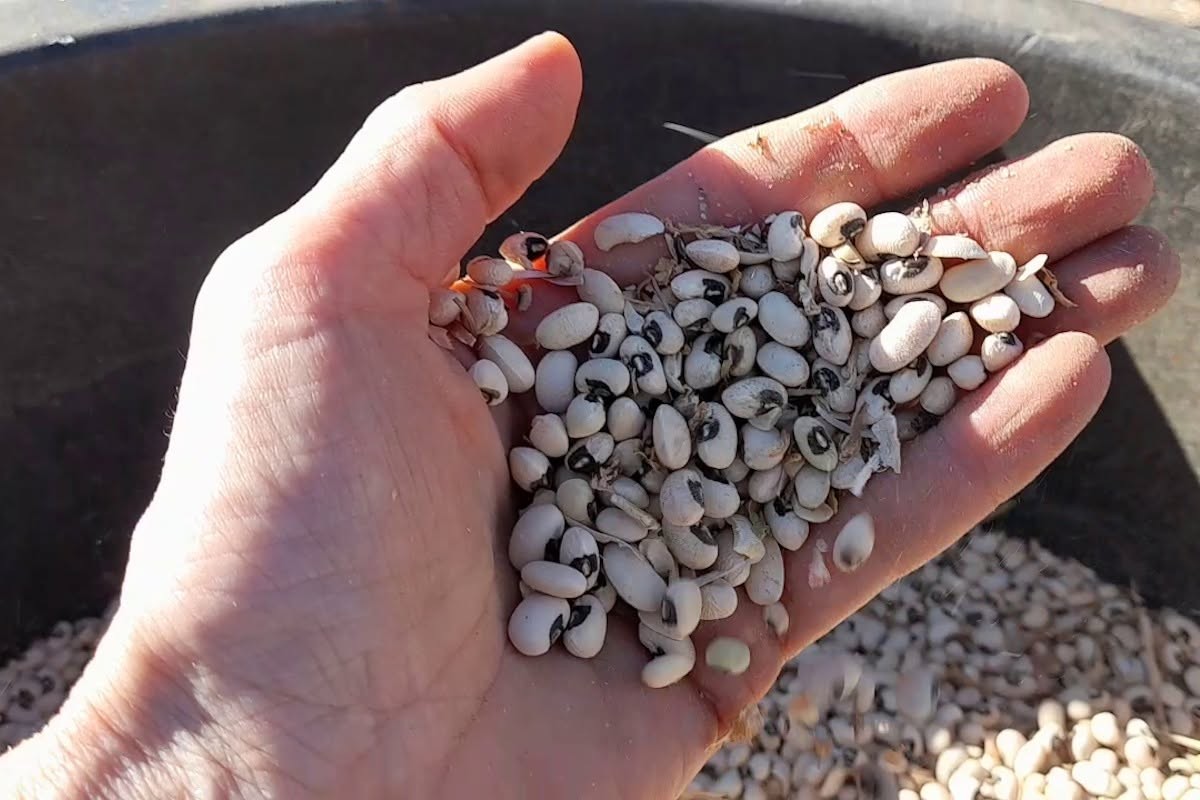
“Since I arrived, I’ve started receiving gifts of what people are growing in their vegetable gardens: courgettes, onions, blueberries, sweet potatoes, watermelons, peppers, plums and even pears that a local researcher grew in his garden in Lisbon.”
“I still don’t know how to cook any local dishes. But this farming village is a living academy; for those of us born in the city who’ve had good jobs, we know that the future lies in the land. If our own children don’t want it, let others’ children come. Here, you learn.”
“How Does a Village Feed Itself?” is supported by local partners including the Municipality of Viseu, the Calde Civil Parish Council and the Association of Ukrainians in Viseu, and is part of the international Tramontana Network project, funded by the European Union’s Creative Europe Programme — a framework that gives this work, carried out in Várzea de Calde with the Ukrainian community in Viseu, a dimension that extends far beyond the local level, linking it to a European network of cultural cooperation.
ARTISTIC AND TECHNICAL CREDITS:
Guest artist: Ana Rodríguez
Residency documentation: Ana Margarida Ferreira, Nely Ferreira, Andreia Mota and Luís Costa
Local partners: Municipality of Viseu, Calde Civil Parish Council and the Association of Ukrainians in Viseu
Co-funding: the Portuguese Republic – Directorate-General for the Arts and the European Union, as part of the Creative Europe Tramontana Network project.


